
Table of Contents
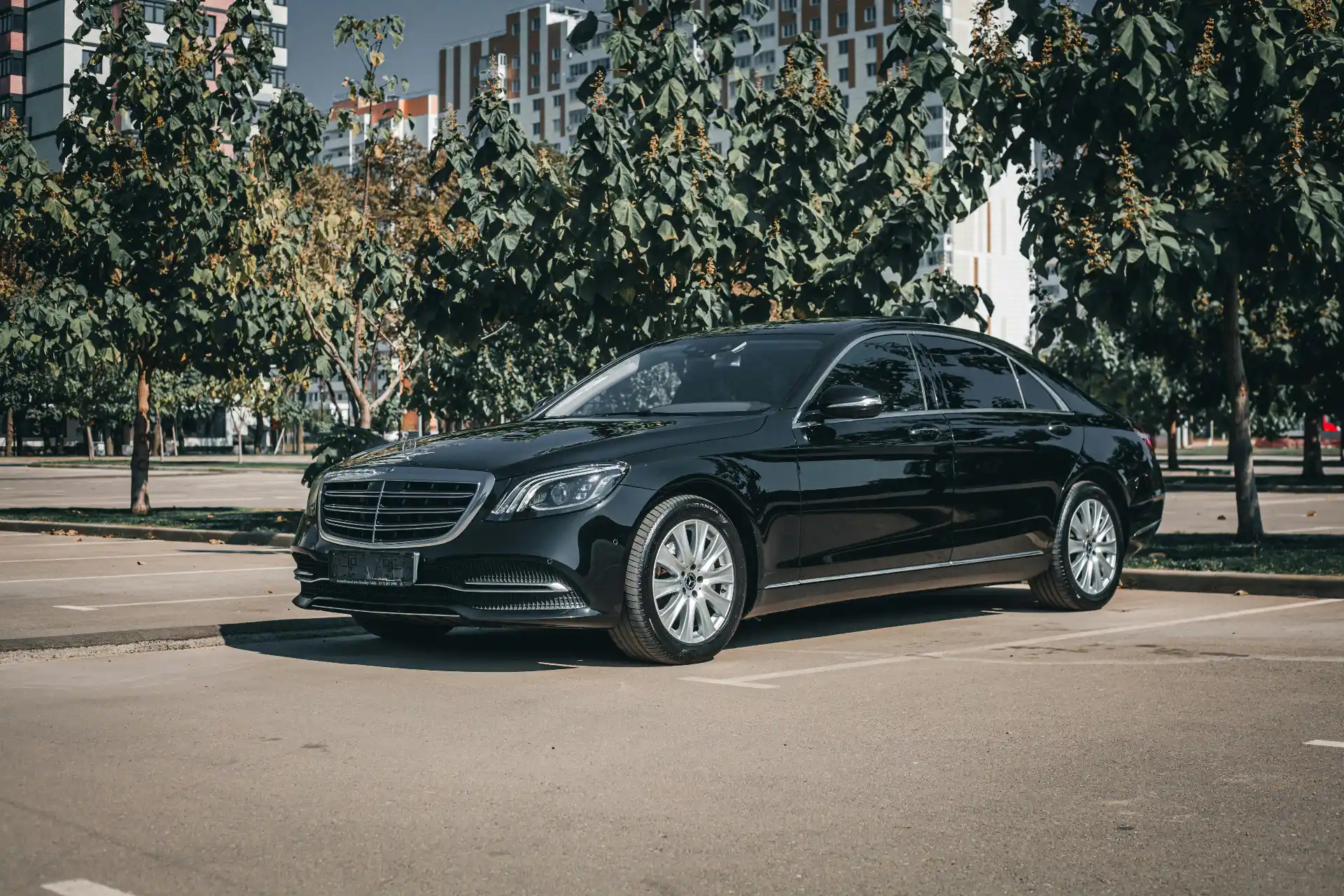
If your day involves an arrival at Seattle-Tacoma International Airport and a tight client schedule in Everett, the minutes disappear fast curb confusion, traffic variability, and unpredictable pickups. A Seattle corporate limousine turns that gap into a reliable flow: flight tracking, a defined meet point, quiet productivity in transit, and a professional arrival at the client site.
Below is a practical guide to corporate transportation in Everett that reduces friction from curb to conference room—without the “where are you?” texts, parking chaos, or last-minute scrambling.
Use cases in Everett: when it pays off

Not every trip needs a dedicated corporate ride. But in Everett, it pays off quickly when the cost of being late is higher than the cost of being prepared.
Here are the moments where a Seattle corporate limousine becomes the smart move:
- You land and go straight into a meeting (no “buffer day”)
If you’re flying into SEA-TAC and your first meeting is tight, you don’t want to gamble on rental counters, random rideshare delays, or figuring out where the correct pickup zone moved to this week.
- You’re doing an executive day in Everett (or using Paine Field)
Everett has its own rhythm. If you’re flying into Paine Field for a leadership visit or a short on-the-ground schedule, you’re usually trying to keep the day efficient and low-drama.
- You have two or more stops
The second stop is where most plans start to wobble. Meeting goes 20 minutes long, the next location wants you at a different entrance, someone adds a quick “can we swing by…” request. Hourly service often saves the day here.
- You’re hosting someone (client, partner, VIP)
When you’re responsible for someone else’s schedule, you want the ride to feel effortless. No confusion at arrivals, no awkward waiting, no “we’re still looking for you.”
- You’re heading to a facility where access matters
Everett client sites can involve security desks, badges, gates, and very specific entrances. If you’ve ever lost 12 minutes simply because you pulled up to the wrong door, you already understand the value.
Quick reality check: if being late creates friction, resets the meeting tone, or costs you credibility—corporate transportation isn’t “extra.” It’s insurance.
Template: itinerary planning in 10 minutes
This is the part most people skip—and it’s exactly why they lose time.
You don’t need a spreadsheet. You need a tiny plan that answers the questions that always pop up in the moment.
The 10-minute itinerary (do this once, reuse forever)
Step 1 — Write the “anchors” (2 minutes)
- Flight number + arrival time (or meeting start time if local)
- Everett destination address + which entrance
- Traveler phone number + a backup contact (assistant/coordinator)
Step 2 — Decide point-to-point vs hourly (1 minute)
- Point-to-point: perfect for one direct run
- Hourly: better when meetings might run long, you have multiple stops, or you expect changes
Step 3 — Add buffers where people actually get burned (3 minutes)
Don’t guess. Buffer the known friction:
- deplane/walk time (gates can be far)
- baggage claim (if needed)
- traffic variability
- lobby check-in / security badge / elevator time
- “finding the right door” time (yes, it’s a thing)
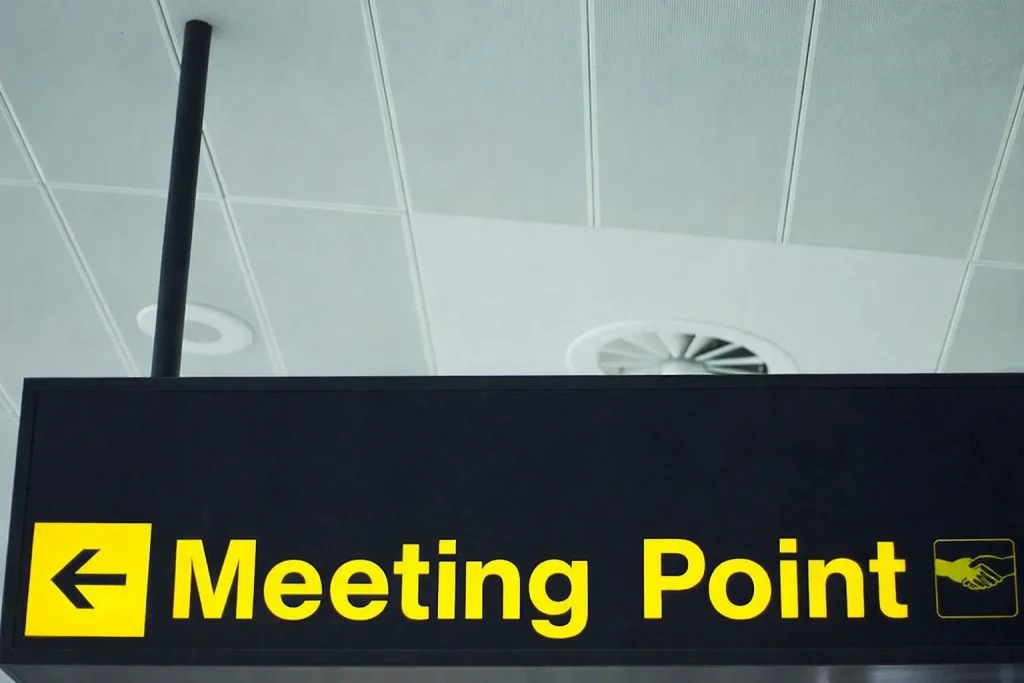
Step 4 — Lock the pickup handoff (2 minutes)
This is the #1 reason people waste minutes:
- Exact meet point (arrivals curb vs baggage claim vs specific door)
- Text-first contact method (call as fallback)
- Signage preference (yes/no + what name)
Step 5 — Lock the drop-off handoff (2 minutes)
- Which entrance?
- Any security instructions?
- Who should the driver ask for at reception?
Copy/paste itinerary template
- Arrival: Flight # / time / terminal
- Pickup: Meet point + signage preference
- Destination: Address + entrance notes
- Schedule: Meeting start + expected end + buffer
- Stops: Optional extra stop(s) + priority order
- Contacts: Traveler + coordinator + backup
Do this once and your Everett day stops feeling like a chain of improvisations.
Professional details that matter: arrival, signage, discretion
Corporate transportation is judged in the first 30 seconds. These details set the tone for executives and clients alike.
Arrival that feels effortless
A professional chauffeur anticipates what the traveler needs
- confirms pickup location clearly,
- adjusts timing if the flight changes,
- and keeps transitions quiet and fast.
Signage: useful, not awkward
Signage can be handled in a way that’s:
- visible enough for fast identification,
- but not loud or intrusive in public.
Discretion is a feature, not a buzzword
A true corporate experience respects privacy:
- no unnecessary conversation,
- no “tour-guide mode,”
- and no attention-grabbing behavior at pickup or drop-off.
If your day includes sensitive meetings, NDAs, or internal strategy discussions, discretion is part of the value of a Seattle corporate limousine service—not an add-on.
Billing + receipts: what accounting needs
If finance teams have to email back-and-forth for missing details, the transportation solution isn’t really “corporate-ready.” A clean billing setup should be designed for expense reporting and reconciliation.
Make sure your receipts/invoices include:
- Company name (and billing address if required)
- Date and time of service
- Pickup and drop-off locations (or “hourly charter” with start/end)
- Total cost with clear line items (base rate, tolls, parking, airport fees, etc.)
- Driver/gratuity policy (included vs separate)
- Payment method and confirmation/reference number
- Trip/PO/Cost Center note field (if your team uses them)
Best practice for corporate ops:
Ask for a dedicated billing profile (one card on file, one invoice format) and require that every ride includes a trip label (e.g., “Everett client site visit – Q1 review”). It reduces internal friction and makes monthly reconciliation painless.
Backup plan: delays and last-minute changes
Everett days rarely go exactly as planned. Flights shift. Meetings run over. A site visit adds an extra stop. The backup plan should be built in—before you’re already behind.
Consistency matters because business travel isn’t a one-off. The goal is to make transportation the least stressful part of your day.
Build your plan B into booking:
- Provide flight numbers so arrival monitoring is automatic.
- Choose hourly when end times are uncertain.
- Add a 1-stop cushion (even if you think you won’t need it).
- Share a second contact (assistant, coordinator, or colleague) for changes.
What to do when things change last minute
- Delay: keep the driver updated via a single point of contact (avoid group-chat confusion).
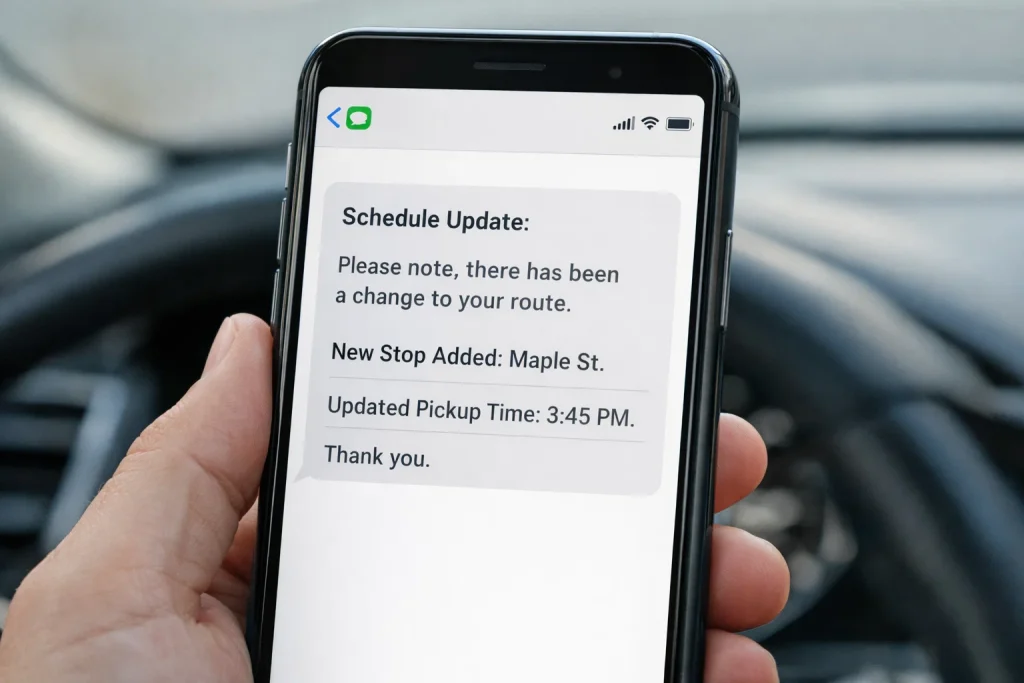
- Added stop: send the new address + desired arrival time; let the driver route it.
- Earlier departure: ask if the driver can reposition; a good service can often adjust.
The goal isn’t perfection—it’s resilience. A strong Seattle corporate limousine plan absorbs changes without turning them into chaos.
Backup plan: delays and last-minute changes
If your schedule is tight, you’re not planning for perfection—you’re planning for reality.
Here’s a short, useful backup plan that actually works.
Build flexibility in before the day starts
- Provide flight numbers when relevant (so arrival changes aren’t a surprise)
- Book hourly when meetings might run long
- Share two contacts (traveler + coordinator)
- If there’s a chance of an extra stop, say so up front.
What to do when things change (without blowing up the day)
- Flight delayed:
Send one message with the updated ETA. Keep communication to one person if possible—too many threads create confusion
- Meeting runs long:
This is where hourly service saves you. No frantic “can you still pick me up?” rebooking.
- Added stop:
Send the address + the goal (“we need to be there by 3:10”). A good driver routes it efficiently.
- You’re early:
Sometimes the best move is arriving a few minutes early and getting your head right—review notes, send one email, walk in composed.
That’s the point: the ride protects your pace so you don’t start the meeting already rattled.
FAQ
Is it better to book point-to-point or hourly for an Everett client day?
If you have one direct run, point-to-point is fine. If you have multiple stops, uncertain meeting lengths, or schedule changes, hourly usually saves time and reduces rebooking risk.
What should I send when booking to avoid delays?
Provide flight number (if applicable), pickup terminal/meet point preference, the traveler’s name, a working mobile number, and the exact Everett destination entrance notes (not just the address).
Can we request discreet pickup (no signage)?
Yes. Many travelers prefer a text-based meet-up with clear instructions instead of public signage—especially for executive or sensitive visits.
What does accounting typically need on the receipt?
Date/time, pickup/drop-off (or hourly start/end), total cost with line items, payment confirmation, and a reference field for cost center or trip label.
What happens if my flight is delayed or the meeting ends early?
A corporate-focused service monitors flights and can adjust pickup timing. For meetings, hourly bookings usually provide the most flexibility for early finishes or overruns.